702 Jozi My Jozi Walk the Talk: Babize bonke, bazoza!
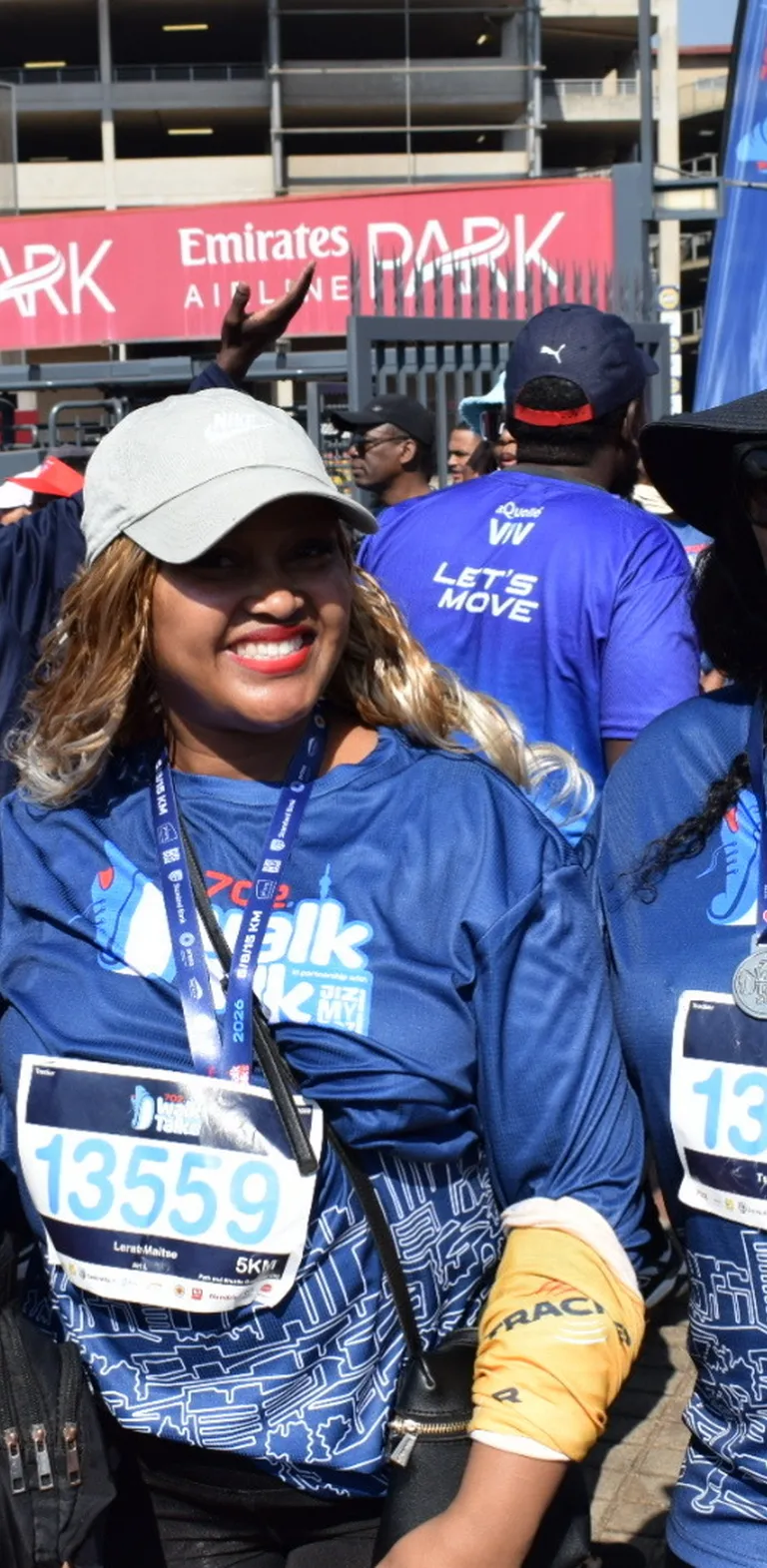
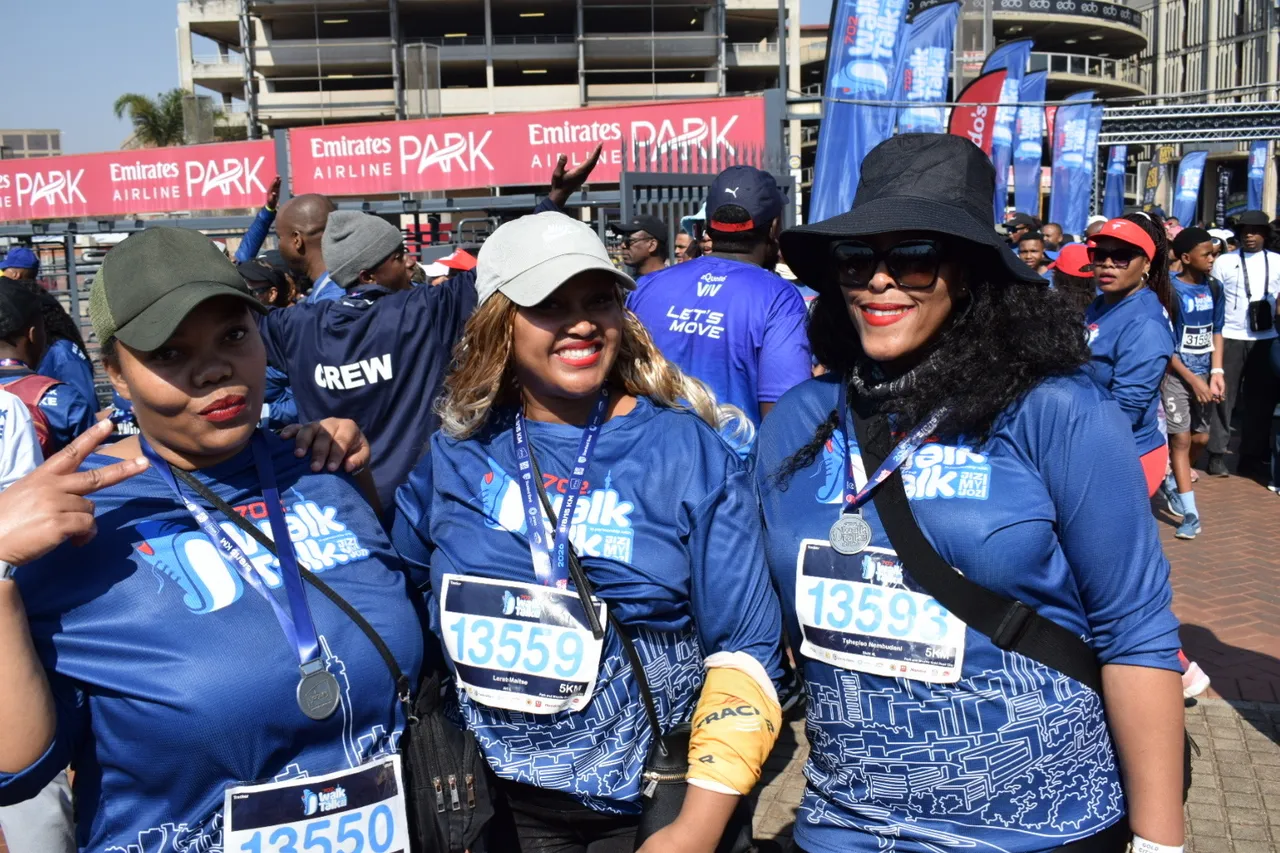
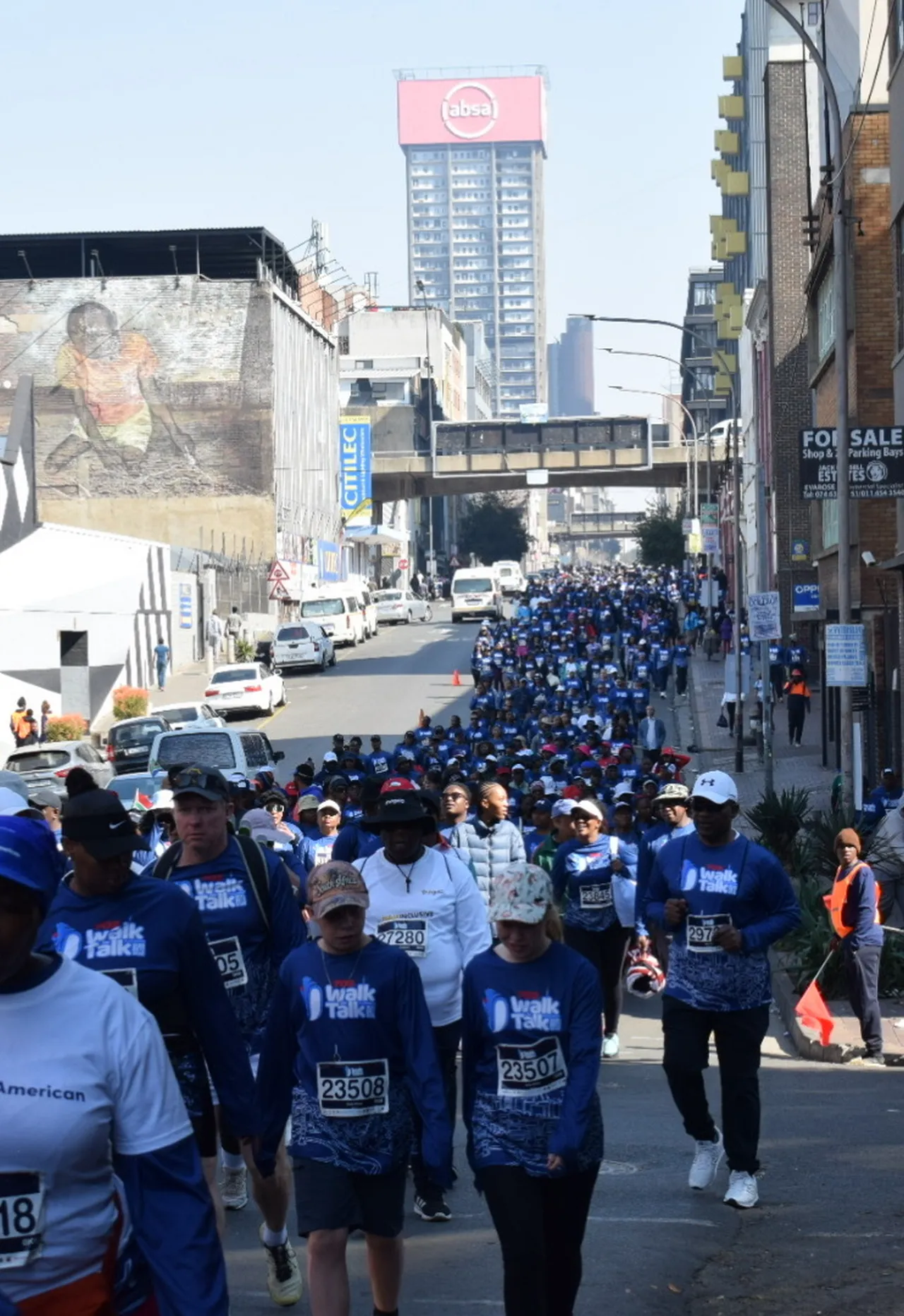
More than 25 000 people registered for the reimagined 702 Jozi My Jozi Walk the Talk. On Sunday morning, 26 July 2026, Johannesburg showed up in numbers, turning the streets around Ellis Park into a sea of runners, walkers and supporters before sunrise.
You can tell a lot about a city by who shows up for it.
More than 25 000 people registered for the reimagined 702 Jozi My Jozi Walk the Talk. On Sunday morning, 26 July 2026, Johannesburg showed up in numbers, turning the streets around Ellis Park into a sea of runners, walkers and supporters before sunrise.
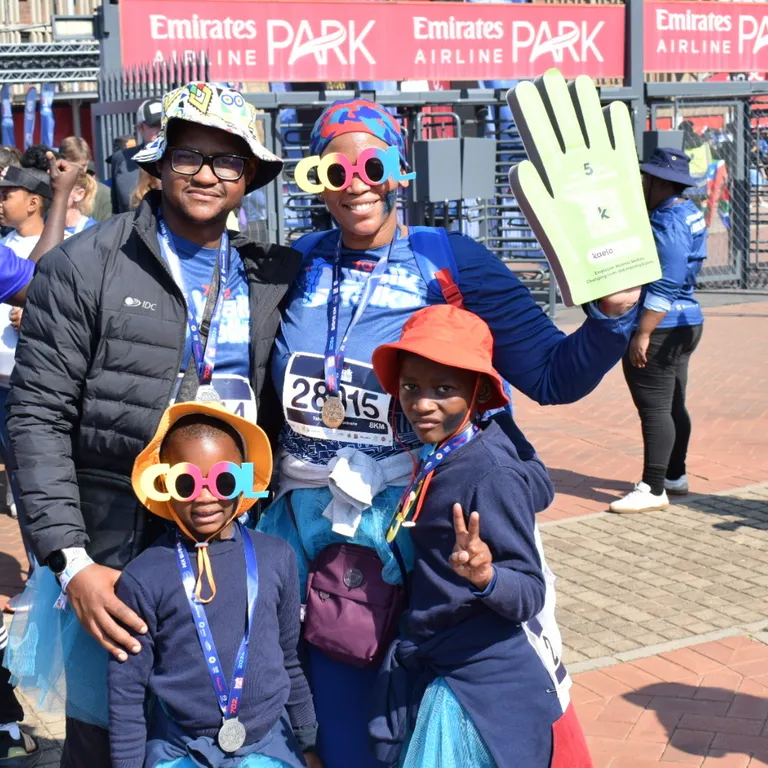
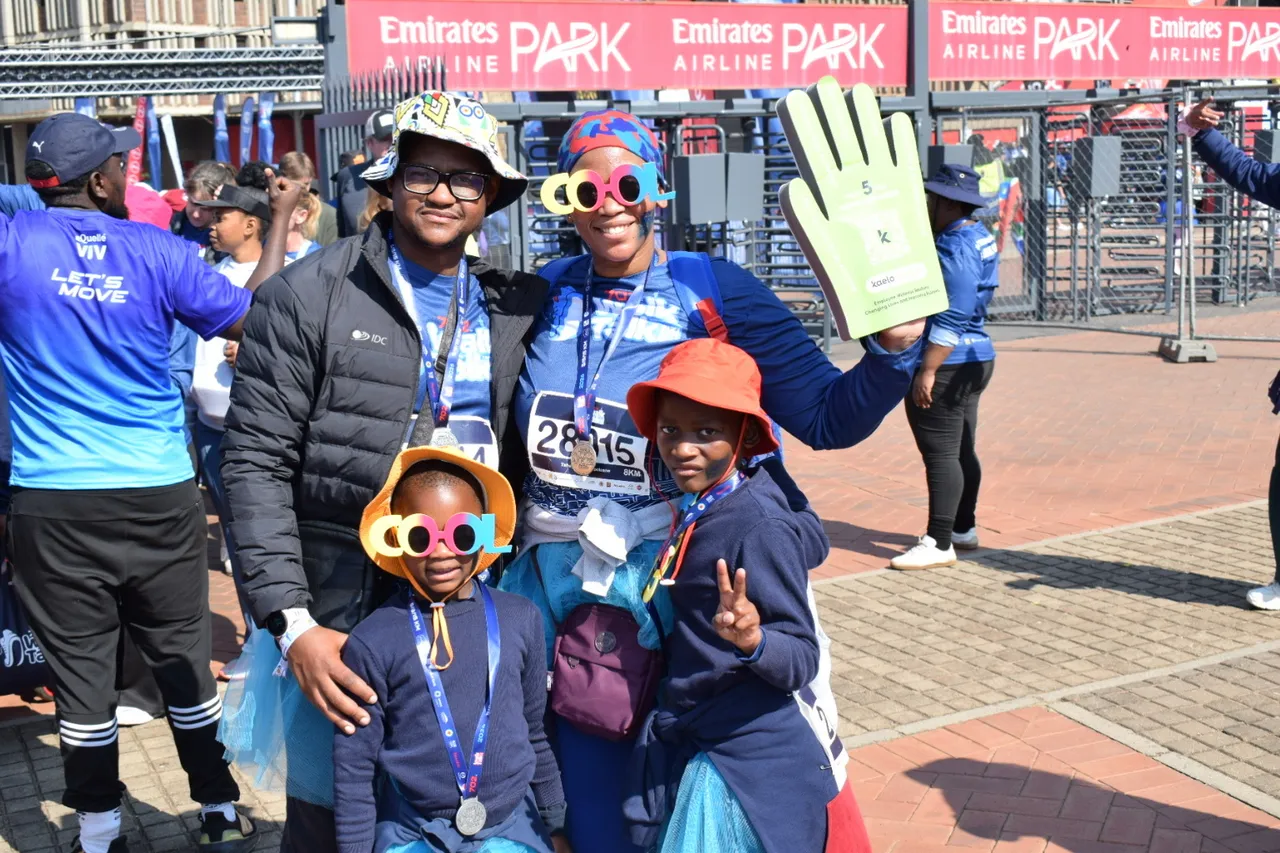
Families arrived in droves, with grandparents, toddlers in prams and teenagers all taking part. Friends used the morning as a catch-up, while running clubs, colleagues and neighbours stood shoulder to shoulder at the start line. Music drifted across the precinct as the crowd grew, creating the kind of atmosphere that only Joburg can inspire.
Long before the first walkers set off, there was a sense that this was about more than covering 5km, 8km or 15km.
Claiming the streets and seeing Johannesburg through a different lens
The routes took people through some of the city’s most recognisable landmarks and neighbourhoods. For some, it was their first time walking through the inner city. Others found themselves noticing details they had driven past for years. At street level, the city feels different. You notice the architecture, the traders opening for business, the murals, the music and the people who give Jozi its pulse.
That change in perspective was part of the plan.
As Johannesburg mayor Dada Morero said during the event, the Walk was about more than promoting an active lifestyle. It reflected a growing confidence in the inner city and invited people to reclaim it, one street at a time.
Conversations after the walk
“15km done through downtown Johannesburg! This year’s Walk the Talk has been a love letter to Jozi. It showcased everything amazing Joburg is and can be if we only show up and care. My favourite city in the world,” wrote environmentalist and digital storyteller Ulrich Janse van Vuuren after completing the route.
Musician Langa Mavuso tweeted: “We did a family walk today. I met some lovely people today. Thank you for love and warmth #702WalkTheTalk.”
Walkers Maria Mokoena and Elmien Davidson both said they were delighted to be up early, walking the streets of Joburg. For Maria, this was a great opportunity to focus on her fitness, while Elmien was excited to walk with friends and loved ones.
These words captured what many people were feeling.
Never pretend
The walk didn’t pretend Johannesburg’s challenges don’t exist. It did the opposite. It invited thousands of people to experience the city as it is, not through headlines, but by walking its streets. They saw the grit alongside the beauty, the history alongside the renewal and, perhaps most importantly, the people working every day to make Johannesburg better.
That is what Jozi My Jozi has always stood for: not looking away and waiting for someone else to fix the city, but choosing to be part of its comeback.
The walk also encouraged participants to support responsible giving through Mi-Change vouchers. Instead of handing out cash, walkers could support homeless people with meals, clothing, shelter and professional services through the MES social development non-profit and U-turn shelters. It’s a practical way to make a difference in someone’s life.
The streets reopened, the impact lingered
More than 25 000 people had chosen to spend their Sunday in Johannesburg’s inner city. They left with tired legs, plenty of photos and, for many, a different view of the city.
If Johannesburg’s renewal depends on people showing up, then Sunday was a reminder that plenty already are.