Creative Futures Africa summit 2026
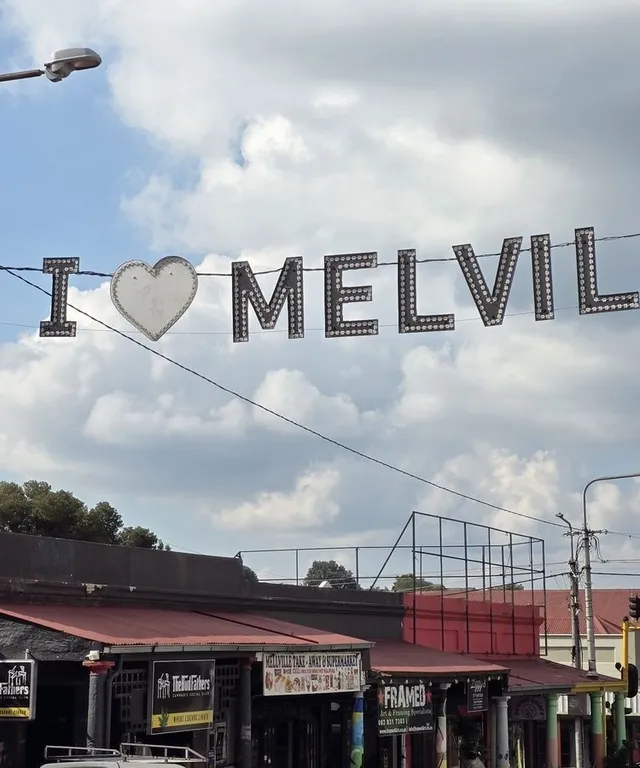
A city’s culture is its greatest asset, our visitor and creative economy catalyst Dawn Robertson said, kicking off a panel discussion at this year’s Creative Futures Africa Summit, right here in Jozi.
From unseen to unstoppable
The second Creative Futures Africa Summit, hosted by Business and Arts South Africa (BASA), Jozi My Jozi and partners on 16 and 17 September 2026, explored what practical action can be taken to unlock the immense potential for the African creativity economy to shape the world.
The conference came at a deeply symbolic time: taking place in the same month as the United Nations’ 4 September recognition of the Equal Earth map, which shows countries and continents with their true sizes relative to each other.
“Just as Africa’s size has been misrepresented [by the commonly used Mercator projection of the world map, first published in 1569], so has the size of our creative economy,” BASA CEO Beth Arendse told summit delegates.
While there is no single, universally accepted figure for the size of the African creative economy, in August 2026 the UN Office of the Special Adviser on Africa estimated it to be worth approximately US$60-billion, with potential to reach US$200-billion by 2030.
But back to the city.
What’s the qho?
“Creativity is not decorative,” said Robertson as she asked panellists participating in a discussion titled “Creative Cities, Tourism, Culture & Mobility” what practical steps Johannesburg – or any African city – needs to take to ensure its creative economy takes its proper place.
The answer came quickly: developing and implementing policy (including at national level) that enables creative people to develop investable businesses so they can simultaneously contribute to the creative economy and express themselves artistically.
Where’s the plug?
Across several panel discussions at the summit, it was agreed that one of the largest hurdles creative people face is accessing the funding they need to continue and expand their work.
When it comes to commercial funding and investment, this is often because creative individuals’ and collectives’ driving purpose is to create, not to grow, while investors are on the lookout for small businesses that want first to grow, said Dr Mariapaola McGurk, who leads the master’s programme in business leadership and innovation at Whitecliffe College in Auckland, New Zealand.
Marie Lora-Mungai, director of Restless Global, a strategic advisory and content development firm, urged creatives to work at making their businesses attractive to investors, but also said that they need intermediaries’ assistance to help them make their businesses investable.
Good intermediaries create access to opportunities and finance, said Avril Joffe, who holds the UNESCO Chair in Cultural Entrepreneurship and Policy at the University of the Witwatersrand’s School of Governance. What is vital is that public policy enables the intermediaries to thrive.
Farai Ncube, the British Council’s arts and culture director, agreed with Joffe. “We need to think about how we can define and accredit intermediary roles so we can build business models around them. This, in turn, will allow for the support of artists.”
The bag is there, the map isn’t
African creatives need to be backed by policy that helps them access the government funding that is available. In South Africa they are left to navigate complex, siloed governmental systems for funding, said Joffe.
“There is no EU-style cross-institutional body that can champion creatives’ access to public money,” she said, referring to the Creative Europe programme, which is supported by a network of Creative Europe Desks in each participating country. Together, they help artists, creators and cultural organisations find and apply for EU (and sometimes national) funding.
Joffe said Cape Verde, the Seychelles and Egypt have all moved towards more structured, EU‑style support for creatives that South Africa can learn from.
Vital in all of this is ensuring people who run creative industry businesses are central to policymaking, not consulted after policy is set, said Tumi Moroeng, youth policy project coordinator at the British Council and founder of Makers Valley, a Johannesburg inner-city neighbourhood that supports creative entrepreneurialism.
The creative industries, including scientific and engineering innovation, are important to the overall advancement of the whole economy, said Dr Nomhle Ngwenya, CEO of the Science, Technology and Innovation Business Forum. “We need more organisations and forums championing them, and we need to change the language of our communications to move from STEM [science, technology, engineering and mathematics] to STEAM [science, technology, engineering, art and mathematics].”
From making to winning
A successful city is one in which creative people are able to generate livelihoods and access the space they need to do that. This type of metropolitan success is vital to South Africa’s positive branding worldwide, because creative cultural products and storytelling can sell a narrative about South Africa long before a marketing campaign is able to, said Toni Gumede, Brand South Africa’s stakeholder relations manager.
Urban planner and Young Urbanists South Africa managing director Roland Postma urged delegates not to wait for local or national governments to get the ball rolling. Jozi My Jozi has shown that when civil society and the private sector collaborate, action is taken and cities can improve their liveability for all citizens.
With the summit over, the work of building systems that harness available public funding and private finance for the creative industries must continue, said Robertson.
When cities are built for the people who live in them, said Postma, this is a catalyst for harnessing their creative forces and, in Johannesburg’s case, for bringing people out from behind high walls and golf estate fences to express themselves and truly engage with their environment.
And that, after all, is what Jozi My Jozi wants.
Creative Futures Africa 2026
Related